Are Leaders Born or Made?
Are Leaders Born or Made?
Are some people simply born to lead? And if not, can we teach them? Reflections from our Director of Happiness – a qualified leader who is not a leader.
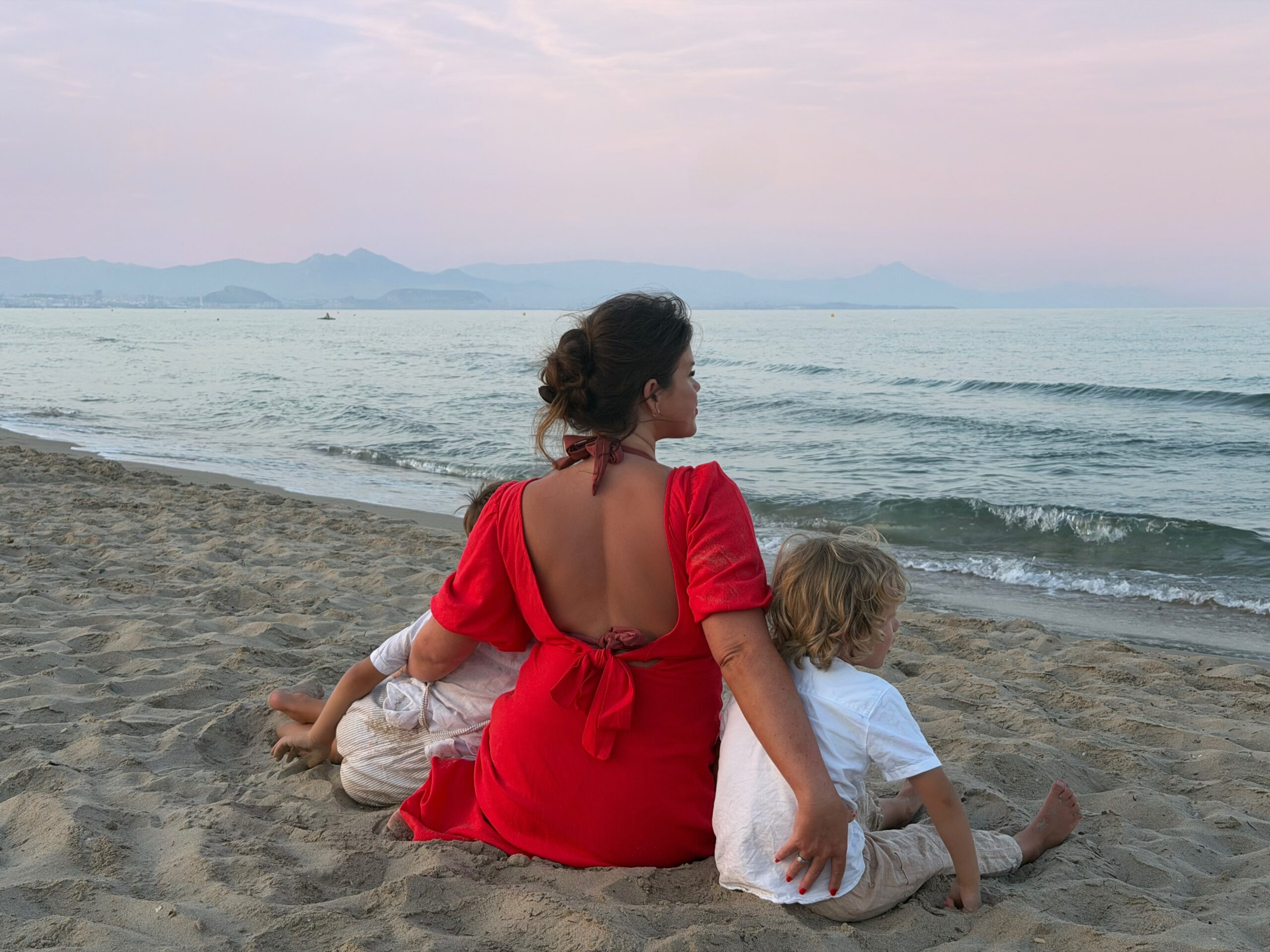
“I’m worried that he’s not a leader, and I want him to be a leader.” This was my husband, reflecting on our son – then five years old – and his progress as a freshly-minted schoolboy. My husband was looking for extracurricular activities that would help a child to develop ‘leadership qualities’ – confidence, assertiveness, resilience, strength.
This startled me at first, because of all the things that trouble my heart, my small child’s leadership capabilities are not up there. Therefore, it never occurred to me that this might be a concern for my husband, who is himself possessed of many traits that are commonly considered leadership qualities: he is an imposing man whom people listen to. He believes himself capable of succeeding at almost anything, and his manner convinces others to believe this too.
The child in question takes more after me. We do not dominate a room. We don’t decide the game. We are introspective. We like to read and draw and think deep thoughts and prefer observation and curiosity to authority.
The Great Man Theory
For a long time, it was assumed that leaders were born and not made – the ‘Great Man Theory’ told us that certain individuals were born with the ability and right to lead and these people shaped history with their destinies. Whilst there are certain personality traits which lend themselves towards leadership, ignoring the influence of our environment is too limiting and too deterministic. What’s more, those with typical leader traits in abundance: confidence, decisiveness, resilience, assertiveness can sometimes be spectacularly awful people to put in charge.
Without self-awareness, development and accountability, such qualities can tip into arrogance, stubbornness, recklessness, intimidation and an unwillingness to listen to others. Naming no names, it does not take great powers of observation to find examples amongst public figures, even if you don’t know one of these types yourself. Meanwhile humble, empathetic, collaborative, reflective, introspective people can make leaders who listen, learn, admit mistakes, and inspire others to follow. These people need training and preparation too.
Not everyone can be a leader. Not everyone should be. Not everyone seeks to be. But everyone can benefit from developing their leadership skills. For example, here are seven things participants have told us they’ve gained from our CMI level 7 certificate in Coaching and Mentoring:
-
Advanced people skills – listening, holding space and asking questions that draw out the potential in others (essential parenting skills in my opinion)
-
Greater self-awareness
-
The confidence to be their authentic selves
-
A deeper appreciation for life’s learning opportunities
-
A kinder inner critic
-
An increased ability to be more present
-
Better self-care and wellbeing
These are seven things I’d happily wish for my child, whether or not he commands the playground…
Amy X
Read more: 5 Superhero Powers you Develop when you become a Coach
Peruse our CMI Brochure