The NHS Leadership & Management Framework: Why This Matters More Than Ever
The NHS Leadership & Management Framework: Why This Matters More Than Ever
The NHS Leadership & Management Framework: Turning National Standards into Better Leadership
There are moments when a new piece of national guidance feels genuinely significant.
The NHS Leadership & Management Framework is one of those moments.
Having spent many years working alongside NHS organisations, coaching leaders and managers, delivering accredited leadership development and contributing to wider conversations about leadership across the NHS, I’ve been following the development of the Framework with great interest.
It represents much more than a new set of standards.
It is a recognition that leadership and management are professional disciplines that deserve the same level of investment, consistency and continuous development as any other profession within the NHS.
For those of us who have spent years championing coaching, compassionate leadership and psychologically safe workplaces, this feels like an important step forward.
Why now?
The Framework has been developed in response to recommendations from the Messenger and Kark Reviews, creating a consistent set of leadership standards, competencies, a national curriculum and a Code of Practice for managers across the NHS. It aims to bring greater consistency to leadership development, strengthen accountability and ensure managers have access to high-quality professional development throughout their careers.
In simple terms, it raises an important question.
What does good leadership actually look like?
For the first time, there is a nationally recognised answer.
This isn’t about compliance
It would be easy to see the Framework as another document to implement.
That would miss the point.
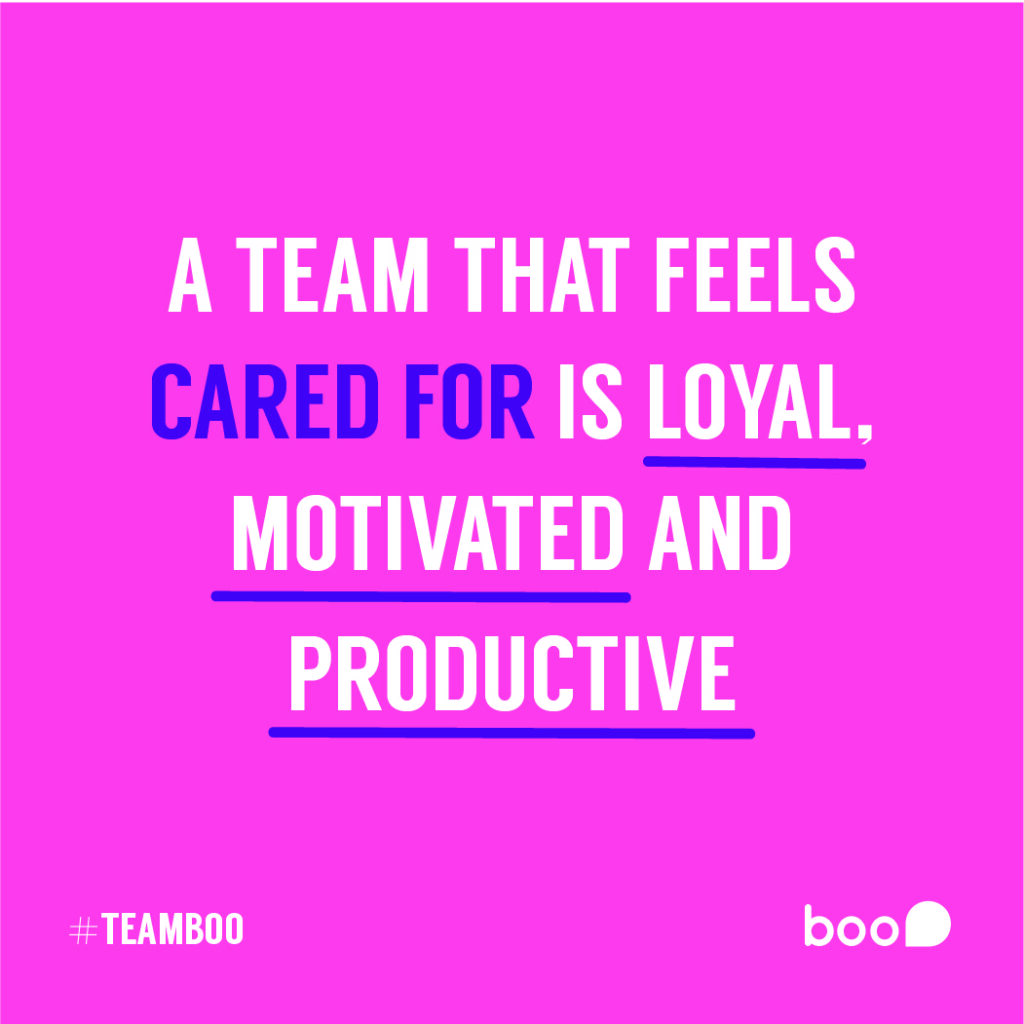
The real opportunity is to create workplaces where people feel confident, supported and able to do their best work.
Leadership is not just about operational delivery.
It is about creating environments where people feel safe to speak up, where learning is encouraged, where managers coach rather than control, and where teams are able to thrive even in the most challenging circumstances.
Ultimately, this is about creating better experiences for staff and better outcomes for patients.
We’ve seen why leadership matters
Recent national reviews have reminded us that poor workplace culture doesn’t stay within the staff experience.
It affects patient safety.
The latest Ockenden Review is a powerful example of how leadership, governance, psychological safety and organisational culture influence the quality of care people receive.
We explored this in our recent blog, Beyond Maternity: The Leadership Lessons from the Ockenden Report, where we reflected on why workplace culture should be viewed as a patient safety issue, not simply an HR issue.
The NHS Leadership & Management Framework reinforces exactly that message.
It validates what many organisations have already been building
Reading through the Framework, I found myself smiling.
Not because it introduces completely new ideas.
But because it validates so much of what progressive NHS organisations have already been investing in.
At Boo, we’ve spent years helping leaders develop the skills that now sit at the heart of the Framework.
These include:
- Coaching as a core leadership capability.
- Emotional intelligence.
- Compassionate leadership.
- Psychological safety.
- Inclusive leadership.
- Values-led decision making.
- Having better conversations.
These aren’t “soft skills.”
They’re leadership skills.
If you’d like to explore why coaching has become such an essential capability for today’s leaders, we’ve written more about this in Why Coaching Skills Are Essential for Modern Leaders.
Great managers aren’t born knowing how to lead
One of the biggest misconceptions in any organisation is that someone who excels technically will naturally become an excellent manager.
Leadership doesn’t work like that.
Managers need opportunities to learn, practise, reflect and receive feedback.
That’s why we’ve invested heavily in practical development programmes such as the BOO Management Framework, designed to help managers build confidence through everyday leadership conversations rather than abstract theory.
You can read more in Transform Manager Confidence in 12 Weeks with the BOO Management Framework.
Leadership and wellbeing are inseparable
One of the themes running throughout our work is that healthier workplaces begin with better leadership.
The Framework reinforces the importance of creating environments where people feel respected, included and supported.
That’s something we’ve written about previously in Mentally Healthy Workplaces Start With Great Leadership.
Leadership shapes culture.
Culture shapes wellbeing.
Wellbeing influences performance, retention and patient care.
These things cannot be separated.
So what should organisations do next?
Rather than asking, “How do we comply with the Framework?”
I’d encourage organisations to ask:
- Are our managers confident to lead people, not just services?
- Are we developing coaching skills across the organisation?
- Do our leadership programmes reflect the behaviours described in the Framework?
- How do we support managers after training?
- Are our appraisal and development conversations helping leaders grow?
Those questions are far more powerful than simply asking whether implementation has started.
Turning standards into everyday practice
The Framework provides clarity.
What brings it to life is everyday behaviour.
It comes alive when a manager has a difficult conversation with empathy.
When a team member feels safe enough to challenge poor practice.
When a leader asks a coaching question instead of giving an instruction.
When learning replaces blame.
When compassion and accountability sit comfortably alongside one another.
That’s where culture changes.

Looking ahead
The NHS Leadership & Management Framework provides a once-in-a-generation opportunity to strengthen leadership across our health service.
The standards matter.
The curriculum matters.
The Code of Practice matters.
But what will matter most is how organisations translate those principles into everyday leadership.
At Boo, we’re excited to continue supporting NHS organisations through coaching, accredited leadership development and practical programmes that help managers become confident, compassionate leaders who create healthier workplaces and better outcomes for the people they serve.
Because leadership isn’t measured by what’s written in a framework.
It’s measured by the experience people have every single day when they come to work.